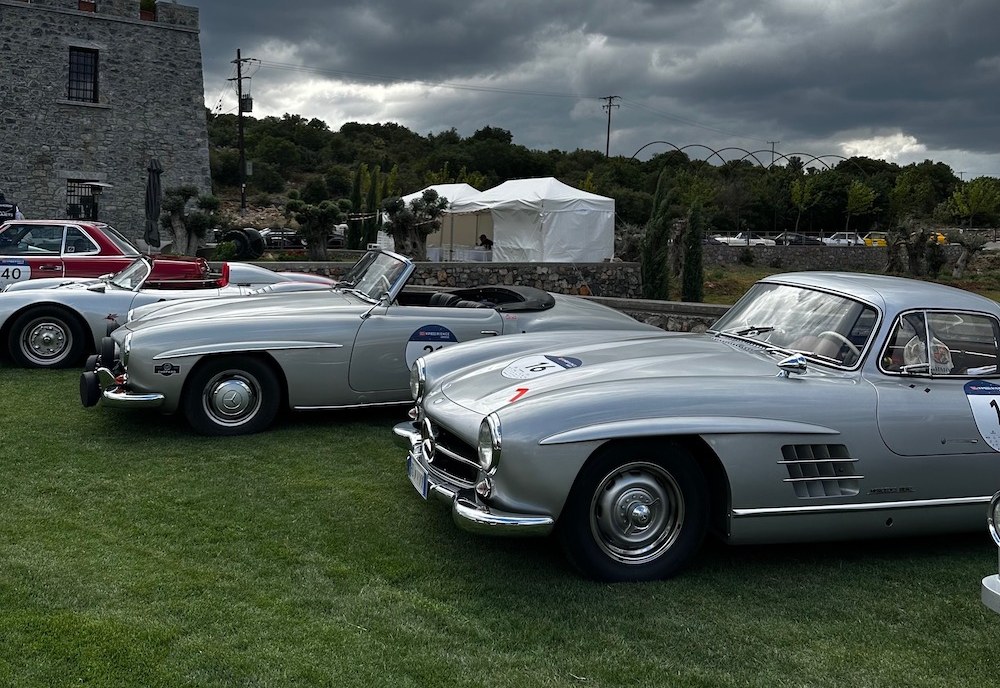
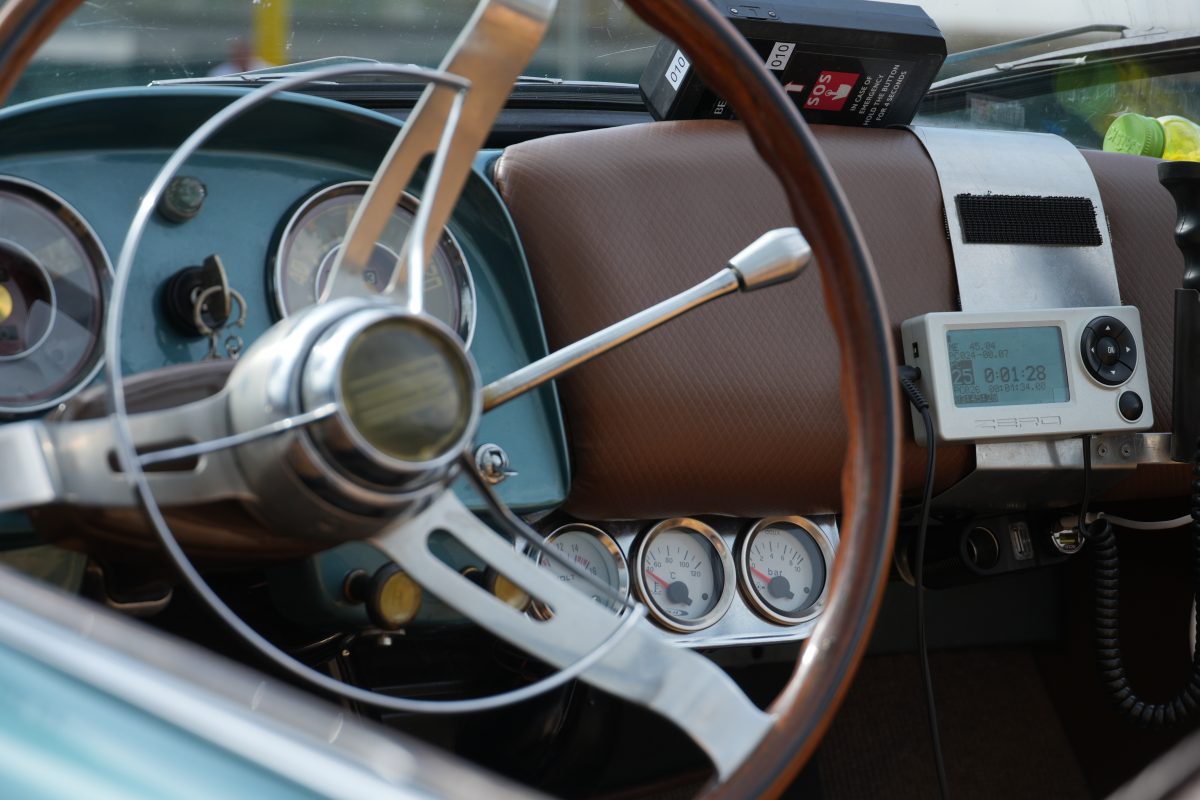
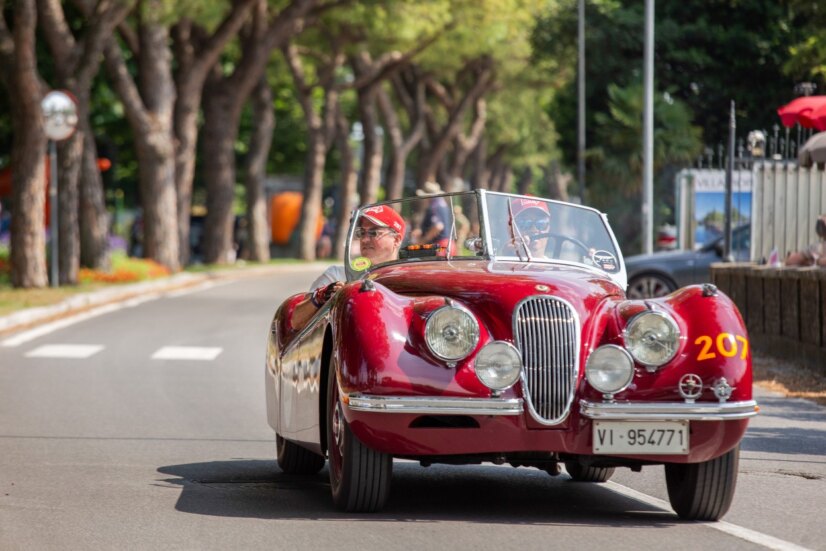
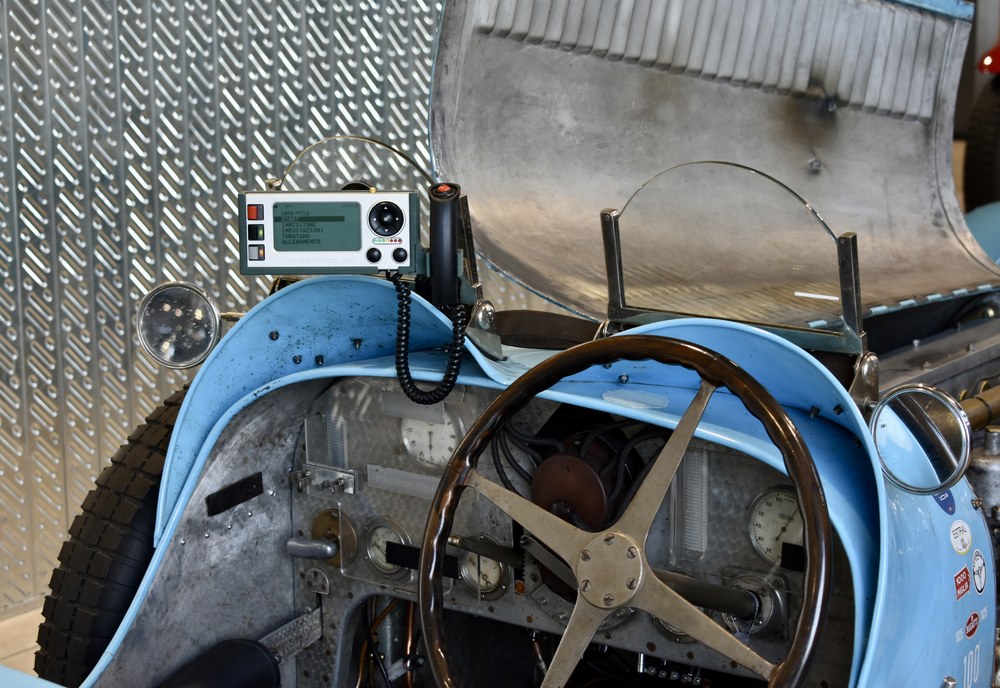
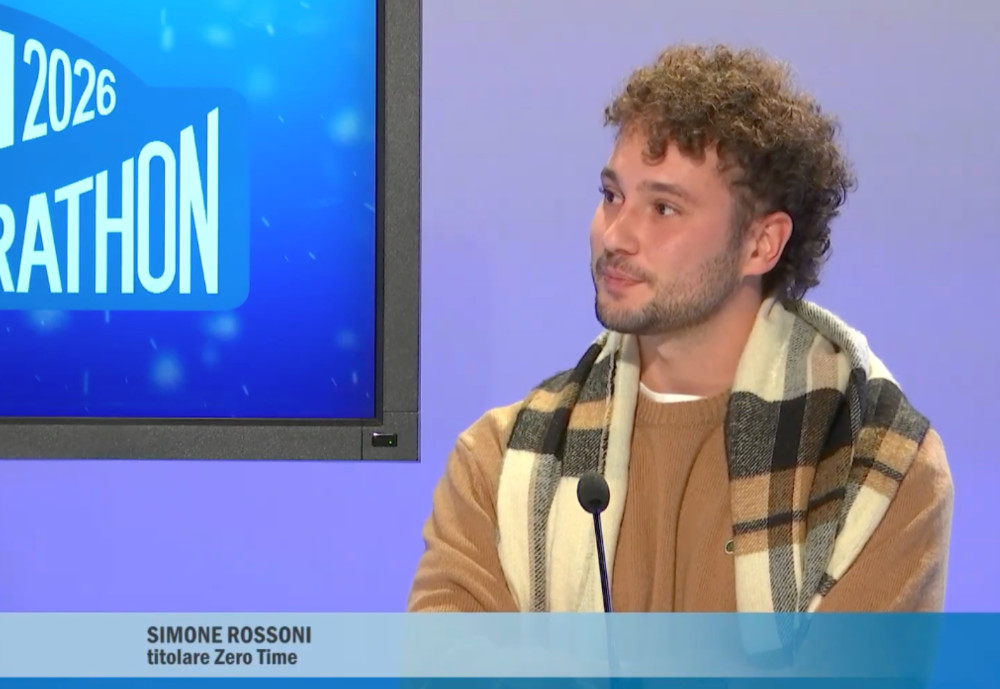
Zero Time alongside the crews.
This year too, we experienced the 1000 Miglia even before the cars left Brescia. During the two days dedicated to scrutineering, Zero Time was present at the Brescia Exhibition Centre to assist users of its instruments. We followed around 130 crews, loading times, distances and averages and checking all the settings before the start.
Alongside the technical preparation, there was also room for the questions gathered during the year: a function to explore further, a shortcut to remember or a doubt to clear up before tackling the route. For those who wished, we also devoted a short briefing, going over the main operations and the information shown by the instrument during the competition.
Our goal was simple: to hand back every device ready for the start, so that our customers could set off knowing how to manage it in the various race situations.
From the Brescia-Rome-Brescia to the regularity race.
The 1000 Miglia was born in 1927 as a speed race on the Brescia-Rome-Brescia route. The original competition was held until 1957. Today, it lives again as one of the best-known international events dedicated to regularity for classic cars.
The 2026 edition took place from 9 to 13 June, confirming the five-day format. The figure-eight route led the more than 400 participants from Brescia to Padua, then towards Montecatini Terme and Rome, before returning through Rimini and finishing in Viale Venezia. Along the way there were around 140 timed stages.
Facing the five legs were cars tied to the history of the event. Eligibility, however, does not depend solely on the year of construction: the model must appear in the official list of eligible cars and the individual vehicle must hold, or have applied for, the 1000 Miglia Register certificate. Final admission nonetheless rests with the organisers’ assessment.
What the 1000 Miglia represents for Zero Time.
For our team, the 1000 Miglia is the most intense appointment of the season. The number of people met and the work concentrated in the scrutineering days require pace, attention and in-depth knowledge of every function of our products.
We have been present in Brescia for several years now. This continuity allows us to support customers we have known for a long time and to meet those tackling the event for the first time with a Zero Time device.
The paddock is also a valuable observation point. Users’ requests show us which functions are used most often, which steps deserve to be made even more immediate and which needs arise during a long and demanding race. These are concrete insights, which we carry with us into the evolution of our products.
The work continues beyond Brescia too: over the course of the season we are present at more than fifteen competitions, offering data loading and direct assistance. Being in the field allows us to understand the real use of the instruments and to support them over time through checks and updates.
For us, in fact, designing for regularity does not only mean building a precise instrument. It means knowing the races, listening to those who take part in them and being present in the moments that matter.
Our work does not end with the delivery of the instrument.